
Key points
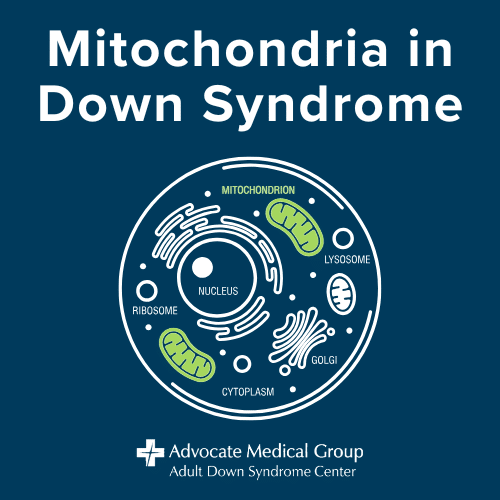
- Mitochondria are small structures in the cells of the body that produce energy.
- Mitochondrial function is different or reduced in people with Down syndrome.
- Many factors can contribute to mitochondrial dysfunction, including genetics, medications, pollution, aging, and some viruses.
- Healthy lifestyle habits and possibly some supplements may help improve mitochondrial function.
- Scientists are actively researching how mitochondria work, causes of impairment, and ways to improve function.
What are mitochondria?
Mitochondria are small structures inside cells. They are often called the “powerhouses” of the cell because they make about 90% of the energy cells need.
What can cause mitochondrial dysfunction?
In Down syndrome, the extra copy of the 21st chromosome causes mitochondrial dysfunction (mitochondria not working as well as they should).
Other possible causes of mitochondrial dysfunction include:
- Several genetic conditions (in addition to Down syndrome)
- Some medications such as:
- amiodarone
- metformin and other biguanides
- statins
- valproic acid
- zidovudine
- haloperidol
- certain anesthetics (like halothane)
- some antibiotics (like chloramphenicol)
- chemotherapy drugs (like doxorubicin)
- aspirin
- Some viral infections
- Some environmental toxins (pollution)
- Aging
Mitochondrial dysfunction is linked to several health conditions. It is not clear whether the mitochondrial dysfunction causes the condition, the condition causes the mitochondrial dysfunction, or other factors cause both. Conditions linked to mitochondrial dysfunction include:
- Alzheimer’s disease
- Parkinson’s disease
- Huntington’s disease
- Amyotrophic lateral sclerosis (ALS, or Lou Gehrig’s disease)
- Diabetes
- Cancer
- Heart disease
- Epilepsy
- Obesity
What are symptoms of mitochondrial dysfunction?
Mitochondrial dysfunction can cause a large variety of symptoms. A partial list includes:
- Fatigue
- Muscle weakness, pain, and/or low muscle tone
- Vision or hearing loss
- Developmental delays or cognitive impairment
- Diarrhea or constipation
- Unexplained vomiting
- Acid reflux
- Swallowing problems
- Seizures
- Migraine headaches
- Breathing problems
- Fainting
Can mitochondrial function be improved?
Research is ongoing, but there are steps that are known or suspected to support healthier mitochondria.
Lifestyle habits
In general, healthy lifestyle habits support overall health and mitochondrial health. These include:
- Regular exercise
- Good sleep
- Healthy diet
- Avoid overeating and limit added sugars. The Mediterranean diet and intermittent fasting may also be beneficial.
Medication review
If you are taking a medication (see list above) that might affect mitochondrial function, talk with a healthcare professional about the pros and cons. Do not stop or change medicines without medical guidance.
Supplements
Some supplements may support mitochondrial function, but research on effectiveness and potential risks is limited, particularly in people with Down syndrome. It is important to talk with a healthcare professional before starting any supplement.
Some supplements that may help mitochondrial function include:
- Coenzyme Q10
- Idebenone
- L-carnitine
- Alpha-lipoic acid
- B vitamins (riboflavin, thiamine, biotin)
- Creatine monohydrate
- Vitamins C and E
- Resveratrol and pterostilbene
- L-arginine
- Bioactive plant compounds (curcumin, berberine, quercetin, capsaicin)
- NAD+ precursors (nicotinamide riboside, nicotinamide mononucleotide)
- Elamipretide (SS-31)
Note: Some conditions or deficiencies have specific treatments or supplementations that are recommended. A healthcare professional can advise on the right treatment.
How is mitochondrial function assessed?
Testing may include:
- Blood tests
- Spinal fluid (CSF) tests for certain biomarkers
- Genetics testing
- Muscle biopsy
- MRI of the brain
Addressing the lifestyle habits noted above is a good place to start to improve mitochondria function. However, if additional assessment or treatment is indicated, a multidisciplinary team (doctors from several specialties) is usually recommended. The Mitochondrial Care Network provides more information and lists centers that specialize in these conditions.
Resources
Down syndrome
Gastroesophageal Reflux Disease
General
Mitochondria and Health (National Institutes of Health)
Mitochondrial Diseases (Cleveland Clinic)
References
Tan KL, Lee HC, Cheah PS, Ling KH. Mitochondrial dysfunction in Down syndrome: From pathology to therapy. Neuroscience. 2023;511:1-12. doi:10.1016/j.neuroscience.2022.12.003
Join our mailing list
Sign up to receive emails with information on health topics for teens and adults with Down syndrome, updates on research and education as well as information about upcoming events, classes and programs.