
Bathing and showering may be a difficult personal hygiene task for some individuals with Down syndrome for many reasons.
- No desire to bathe
- Too many steps to remember
- Not washing thoroughly
- Just stands in the shower (doesn’t wash body)
- Assistance needed with bottles and containers
- Not lathering shampoo in hair or rinsing thoroughly
- Not wanting water or soap on the face
- Not able to control the water temperature
- Difficulty getting into and out of the tub
- Decreased endurance for standing
Below are a variety of adaptive strategies and equipment to promote safety and independence with this personal hygiene task.
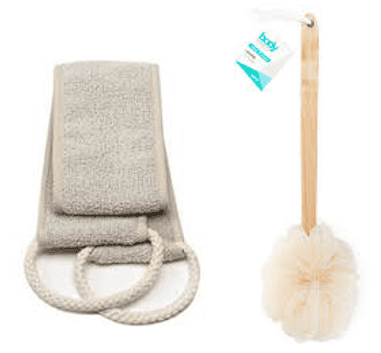
A long-handled sponge or a washcloth with handles can help individuals clean all areas of their body independently, including those that are hard to reach or not visible.
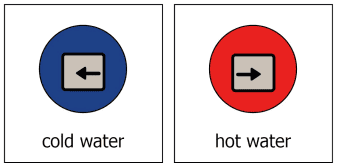
Placing laminated “hot” and “cold” labels inside your shower can allow individuals to adjust the water temperature with ease and increased safety.
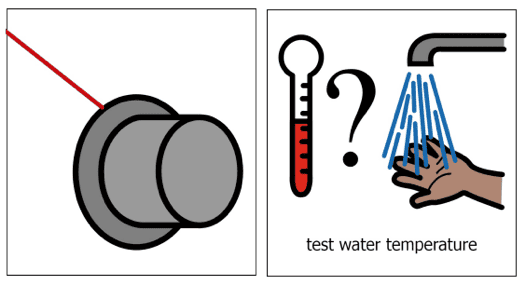
Nail polish or tape can be used to indicate where to turn the shower knob to in order to reach an ideal temperature.
Use a shower head with lights that change color based on the water temperature.
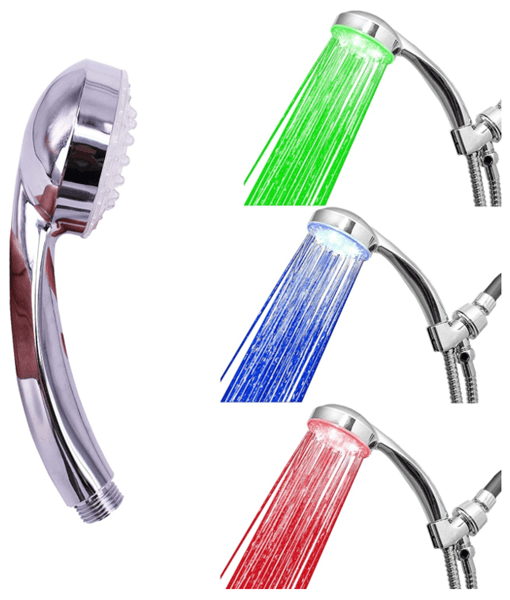
Image from Amazon
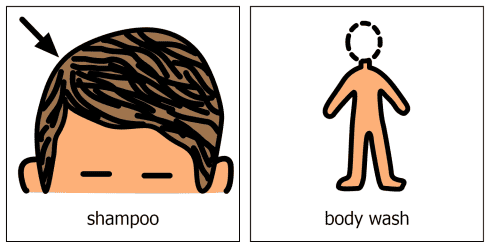
Labeling bottles based on what they are used for is beneficial for those who cannot read or distinguish the difference when showering or bathing.
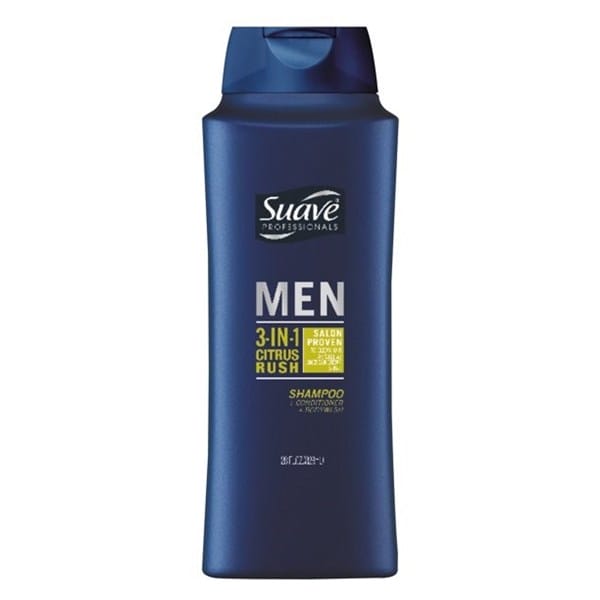
Using a 3-in-1 soap eliminates the need for the individual to distinguish the difference between shampoo, conditioner, and body wash bottles. It also makes for fewer steps while showering or bathing. You may also want to consider tear-free shampoo (e.g., Johnson’s).
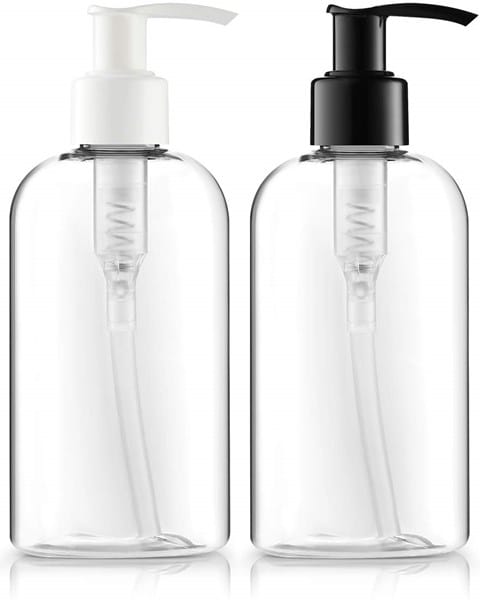
Pump dispensers are an option for individuals with decreased upper extremity strength to eliminate the need to lift and squeeze large bottles. They can also help with quantity for individuals who use too much or too little soap. For instance, pump 2 times.
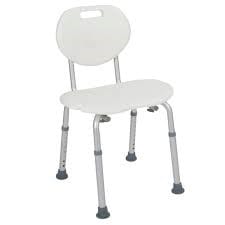
A shower chair is an option for individuals with poor balance or endurance to promote safety while showering.
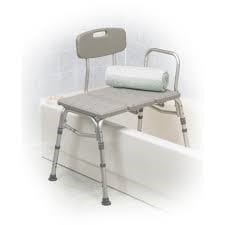
A tub transfer bench is an option for individuals who lack flexibility and balance to safely step over the bathtub.
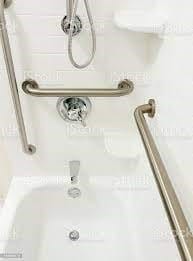
Grab bars can be installed in the shower for individuals with decreased balance for extra safety measures.
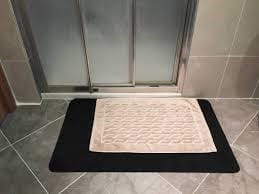
A non-slip mat can be placed inside or outside the shower to prevent falls.
A handheld shower head allows individuals to position the water flow exactly where they need it while sitting or standing. For those with sensory needs, a handheld shower head will make it easier to readily adjust the water pressure. For those who are aging, it can help with visual perceptual changes in order for them to see where the water is coming from to make showers less scary.
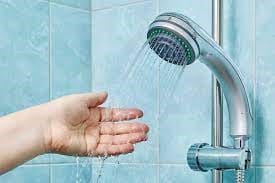
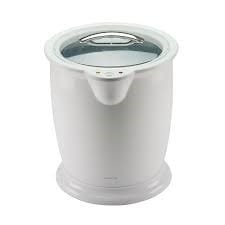
A towel warmer is beneficial for individuals with sensory needs who strongly dislike feeling cold after exiting the bathtub or shower.
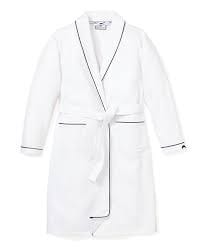
A robe can be used to dry off after showering or bathing for individuals who dislike the texture or feeling of drying off with a bath towel.
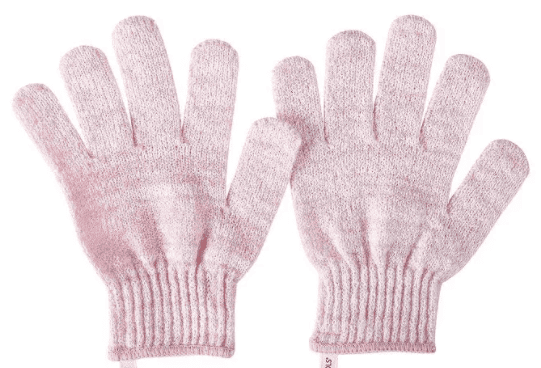
Loofah gloves can be used to exfoliate skin. They can also be used by those with sensory needs who dislike the feeling of soap or other products on their hands.
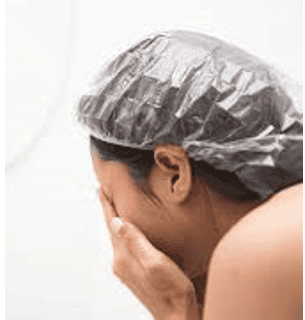
A shower cap is an option for individuals with sensory needs who dislike getting their head wet. This makes it easier to still shower or bathe every day without washing their hair every day.
Having a fogless mirror in the shower is beneficial for individuals who lack thoroughness when washing or rinsing parts of their bodies. For example, having a mirror can ensure the shampoo is thoroughly rinsed from their hair.

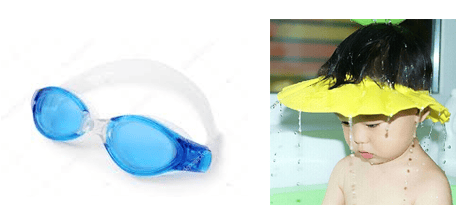
Goggles or bath visors are options for those who strongly dislike or fear getting water into their eyes while showering or bathing.
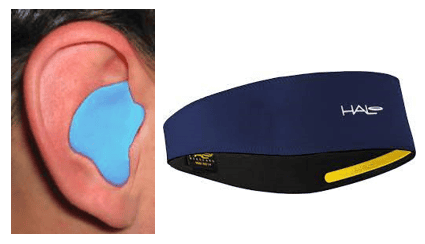
Ear plugs or a neoprene headband are options for those with ear tubes or those who want to avoid getting water in their ears.
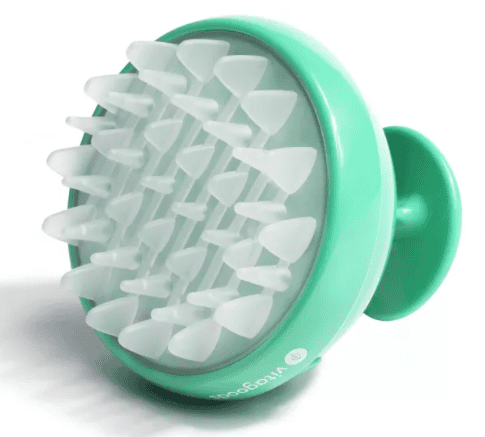
Using a scalp scrubber can help individuals thoroughly scrub their head when washing their hair.
Having a timer or playlist can prevent individuals from bathing or showering for too long or not long enough.

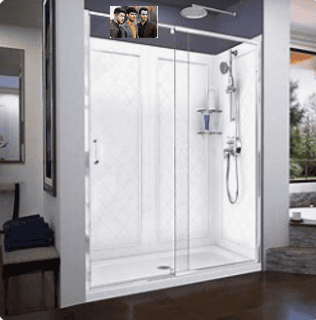
Put a photo or picture on the ceiling to work on tilting the head back for rinsing hair.
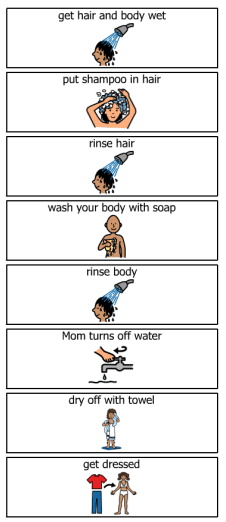
Utilizing a step-by-step visual support can allow individuals to be independent and thorough with this task, ensuring that no steps are missed.
Dry shampoo or showerless hair washing caps are options for non-shower days.
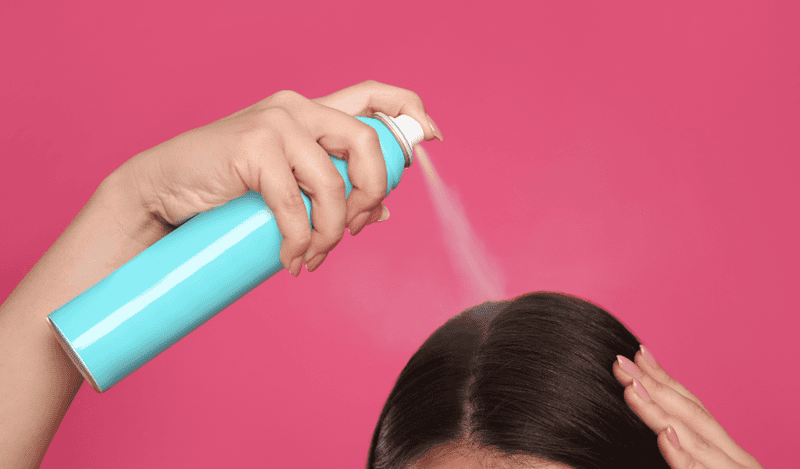
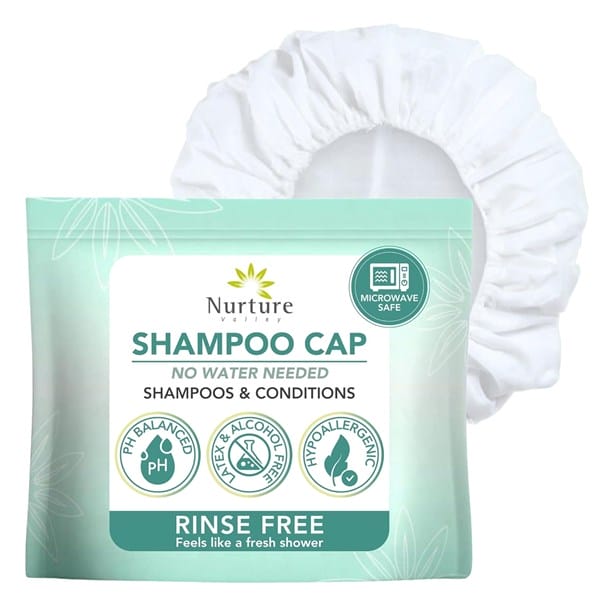
Image from Amazon
More Resources
Tips for Washing and Rinsing Hair in the Shower
Create a Showering or Bathing Routine Visual
All self-care and hygiene resources in our online library
Join our mailing list
Sign up to receive emails with information on health topics for teens and adults with Down syndrome, updates on research and education as well as information about upcoming events, classes and programs.